







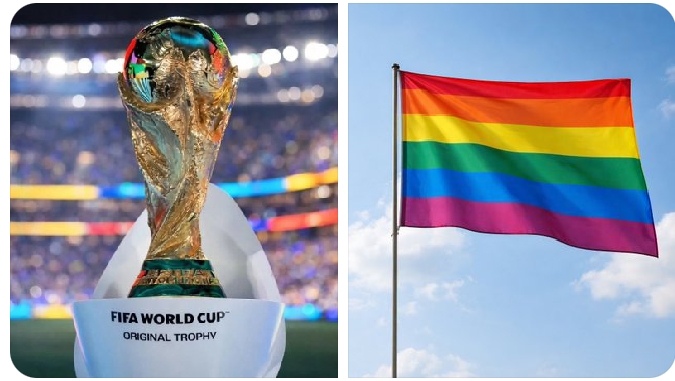
A fresh controversy has emerged at the ongoing FIFA World Cup 2026 after reports that the governments of Egypt and Iran formally objected to the display of LGBTQ+ flags during their World Cup fixture, citing Islamic religious and cultural values.
According to reports, officials from both nations argued that the public display of Pride symbols during the match would conflict with their religious beliefs and social norms.
The issue has reignited the global debate surrounding the intersection of sports, religion, cultural identity, and LGBTQ+ rights.
Meanwhile, officials in Seattle reportedly declined the request and designated the Egypt-Iran fixture as a “Pride Match,” emphasizing the city’s commitment to diversity, inclusion, and equal representation in international sporting events.
The decision has sparked intense reactions across social media, with supporters praising Seattle’s stance on inclusivity, while critics argue that cultural and religious sensitivities should also be respected during global sporting events.
The controversy highlights the broader challenges facing international competitions such as the FIFA World Cup, where teams from diverse religious, political, and cultural backgrounds compete on a global stage.
As debates continue, FIFA once again finds itself balancing inclusivity, freedom of expression, and respect for different cultural traditions.